
What is a share house in Japan?
A share house in Japan usually means you rent a private bedroom while sharing common areas such as the kitchen, lounge, laundry, and sometimes bathrooms. Compared with a normal apartment lease, the process is often simpler, and the total move-in burden can be much lower.
That said, do not romanticize it. A share house is not automatically better than an apartment. It is better only when your priorities are affordability, simplicity, furnished living, and flexibility. If you care most about privacy, family living, or long-term stability, a standard apartment may be a better fit.
Why share houses are popular among foreigners
Foreigners often struggle with guarantor requirements, Japanese paperwork, and utility setup. Share houses can reduce those barriers, which is why they are often a first landing option.
For first-time arrivals, a share house can also reduce isolation. You are not just renting a room; you are buying speed, convenience, and a softer landing in an unfamiliar market.
Average rent of share houses in Japan
| Ctiy / Area | Tpycal range | What to expect |
|---|---|---|
| Central Tokyo | US$400–650 (¥60k–100k+) | Higher rent, stronger train access, more international demand. |
| Outer Tokyo | US$260–430 (¥40k–¥75k) | Better value, still convenient depending on the line and station. |
| Osaka | US$230–460 (¥35k–¥70k) | Often cheaper than Tokyo, with good value in well-connected neighborhoods. |
| Regional cities | US$200–400 (¥30k–¥60k) | Lower costs, but less convenient without car in many case. |
Major cities for share houses in Japan
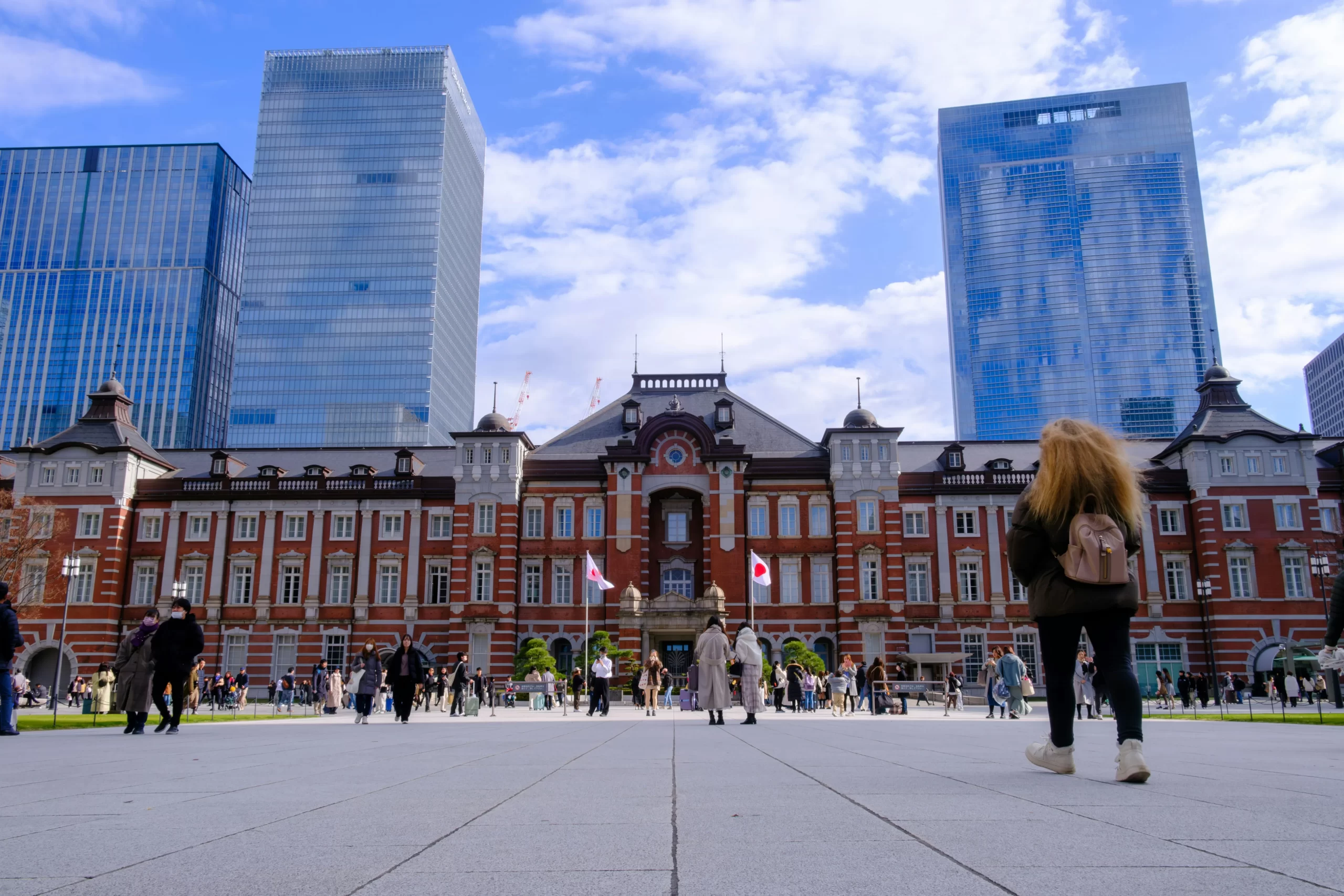
The largest market, the broadest inventory, and usually the strongest search demand. This should be the main city hub.
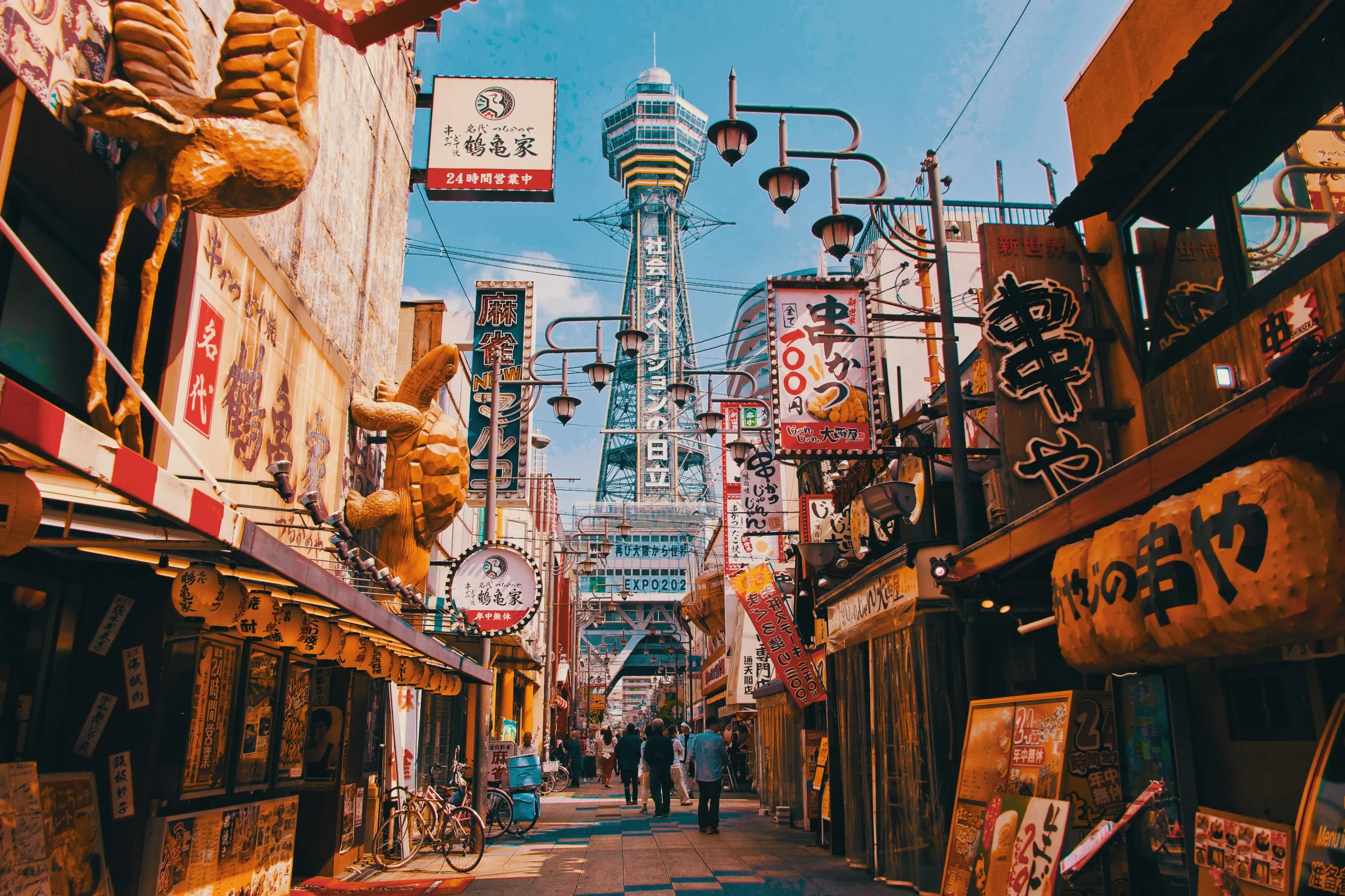
Strong value proposition for budget-conscious renters. Cheaper than Tokyo in many areas while still attractive for foreigners.
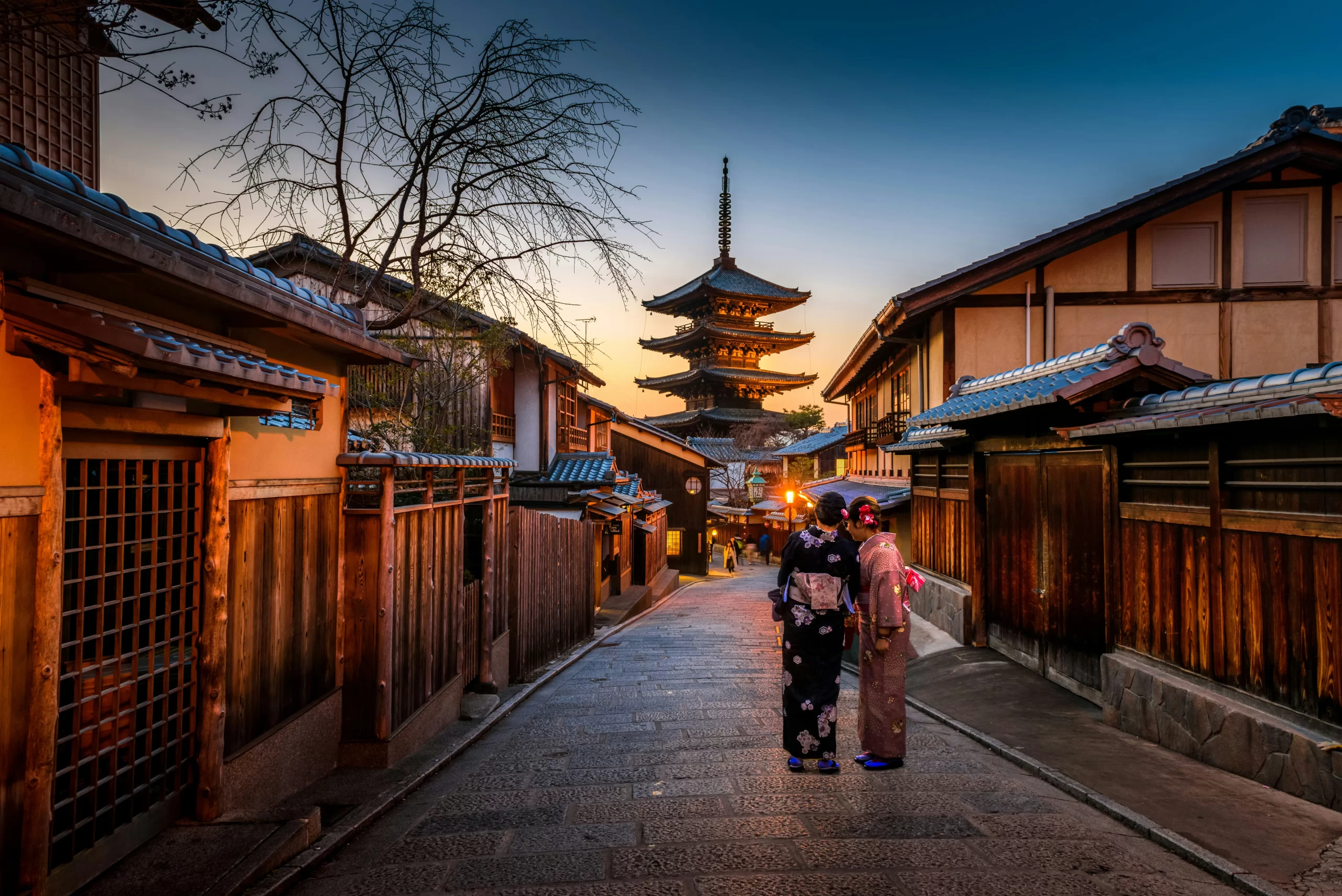
Smaller inventory than Tokyo or Osaka, but still relevant for students, researchers, and long-stay visitors.
Major platforms to find share houses in Japan
Oakhouse
One of the largest share house operators in Japan, with wide inventory especially in Tokyo and strong recognition among foreign residents.
Best for: broad inventory, established operator systems, and city-wide choice.
Xross House
Known for lower-priced rooms and strong budget appeal, especially for people prioritizing affordability over space.
Best for: lower-cost entry and simple move-in options.
Sakura House
Long-established provider with strong visibility among foreigners and flexible short- to mid-term options.
Best for: foreigners who value English support and simpler onboarding.
Need help comparing share house options in Japan?
Frequently asked questions
Are share houses cheaper than apartments in Japan?
Usually yes, especially when you consider furnished setup, lower initial cost, and bundled utilities. But the trade-off is less privacy and less control over your living environment.
Can tourist-visa holders rent share house in Japan?
In most cases, foreigners must hold a valid mid- to long-term visa to rent. There are a few foreigner-friendly companies like Xross House that accept short-term stays without a residence card.
Should I contact providers directly or request help first?
If the provider clearly supports English and you already know what you want, direct contact can work. If not, requesting help first can save time and reduce mismatches.