
What is a monthly apartment in Japan?
In practice, a monthly apartment is a furnished room or apartment rented for a short to medium period, usually starting from one month. It is built for people who need a usable home immediately, not for people planning a classic two-year Japanese lease.
The important point is this: you are not paying only for the room. You are paying for speed, flexibility, reduced paperwork, and a setup that is ready when you arrive. That is why monthly apartments often cost more per month than a standard unfurnished lease, but still make sense for foreigners, business travelers, students, temporary assignees, and people searching for a permanent home after arrival.
Who should choose a monthly apartment in Japan?
A good fit
Choose a monthly apartment if you are visiting Japan for one to six months, need a private furnished space, or cannot use a standard lease because you do not yet have a resident record or local income proof.
It also works well as a temporary base while searching for longer-term housing after arrival.
Not always the best fit
If you plan to stay long term and already have the documents needed for a standard lease, a regular apartment can be cheaper over time.
If your budget is very limited and privacy matters less, a share house may be a better choice.
Monthly apartment vs hotel vs regular apartment
| Option | Best for | Main strength | Main weakness |
|---|---|---|---|
| Hotel | Short visits of a few days to a few weeks | Easy booking, no housing paperwork, daily service | Becomes very expensive for medium stays and offers limited living functionality |
| Monthly apartment | One to six months, relocation, temporary work, study, house hunting | Private furnished housing with flexible stay length and lighter setup | Higher monthly cost than a standard long-term lease |
| Regular apartment | Long-term residents planning to settle for a year or more | Lowest rent over a long horizon and broader housing choice | Heavy upfront costs, more paperwork, and usually unfurnished |
What does a monthly apartment usually include?
Usually a bed, refrigerator, microwave, washing machine, air conditioner, and basic table or desk. The exact package varies, so do not assume cookware or linens are always included.
Electricity, water, gas, and internet are often arranged in advance. Sometimes they are bundled, sometimes they appear as support or management fees, so you need to read the cost structure carefully.
Some providers support online contracts, remote application, and move-in without face-to-face setup. This is a major advantage for overseas arrivals who need housing before landing.
Why monthly apartments can be easier for foreigners
Foreigners are often blocked by the structure of the ordinary rental market in Japan: large upfront costs, guarantor requirements, Japanese-only documents, two-year contracts, and the need to buy furniture and arrange utilities. Monthly apartments reduce some of that friction.
That does not mean every monthly apartment is foreigner-friendly. It means the category is often easier than the standard market. The actual experience still depends on the provider, the city, and how much English support exists during inquiry, contract, and move-in.
Major cities for monthly apartments in Japan
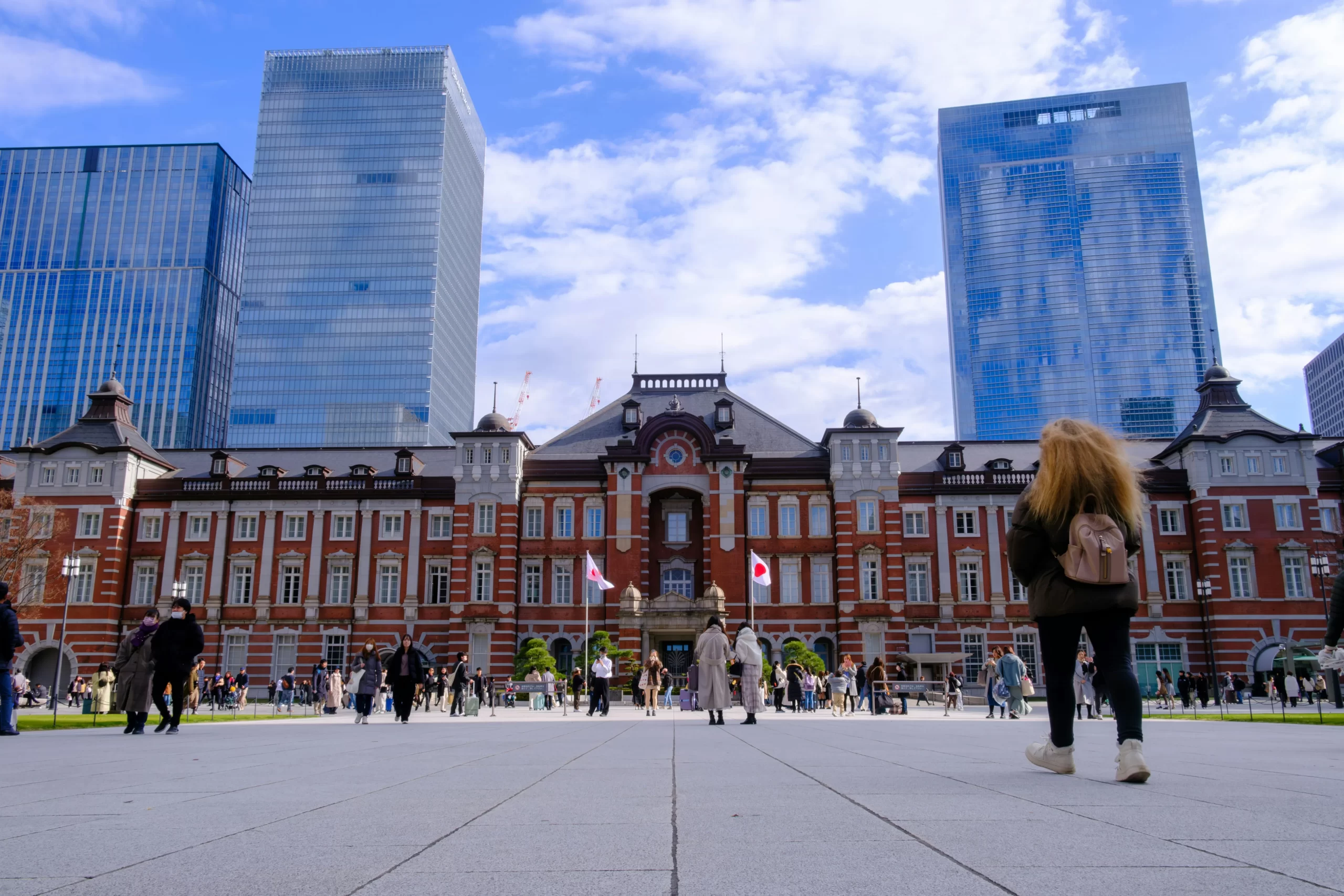
The biggest market with the widest inventory. Best if you need choice, relocation convenience, or a temporary base while looking for long-term housing.

A strong value market for medium-term stays, often cheaper than Tokyo while still practical for business, students, and city access.

Useful for researchers, students, and cultural stays, though inventory is usually smaller than Tokyo or Osaka.
Major providers to find monthly apartments in Japan
MAN3’S
MAN3’S is a search-heavy monthly and weekly apartment platform. Its Tokyo section advertises 2,800+ listings, and the site is built around practical filtering by area, station, stay length, and equipment.
Best for: broad Tokyo search, comparing inventory quickly, and finding foreigner-welcome or budget-oriented options.
Good Monthly
Good Monthly functions more like a large listing network. It offers practical filters such as foreigner-friendly, no-guarantor, credit card payment, non-smoking, telework-friendly, and guest-house compatible options.
Best for: comparing different operators, searching outside Tokyo, and narrowing by foreigner compatibility or guarantor conditions.
Monthly Apartment Livemax
Livemax is stronger on the operational side. Its beginner guide highlights no security deposit, key money, brokerage fee, or guarantee, with utilities available from move-in day. Its site also offers English, Chinese, and Korean support on property pages and inquiry flows.
Best for: foreigners who want a more guided process, major-city inventory, and clearer multilingual support.
Need help comparing monthly apartment options in Japan?
Submit a housing request first and we can help you narrow options by city, budget, stay length, move-in date, and support needs before you start contacting providers.
FAQ: what foreigners usually misunderstand
A monthly apartment is designed for temporary stays and usually comes furnished with a simpler move-in process. A normal apartment is better for long-term living but often requires larger upfront payments, more paperwork, and more setup work.
Sometimes no, but you should never assume that means “no screening at all.” Some providers waive guarantors, while others may ask foreign tenants to join a guarantor company or meet other conditions. The rule is provider-specific.
Often they are arranged in advance, but the cost structure differs. Some providers bundle them into the total, while others separate them as support or utility fees. Read the pricing page carefully.
It varies, but passport, visa or residence-related information, contact details, and payment information are common. Some listings also mention online contracts and credit card payment, while others may ask for bank transfer.
Often yes, especially with providers that support online inquiry and remote contracts. But the real issue is not whether you can book remotely. It is whether you fully understand the fee structure and cancellation terms before doing so.
Because a hotel is convenient but usually irrational for medium-term living. Once you need a kitchen, laundry, workspace, or a one- to three-month stay, a monthly apartment usually becomes the more practical option.